Stories from the mountain summer
St. Nicholas' scary companion:
Krampus is out and about
The Zillertal Krampus parades take you on an emotional journey into another world. Ancient customs and modern creativity come together here. Creating a living example of preserved and reinterpreted tradition.

When the cold November air fills Zillertal’s valleys, small and big hearts start to beat faster. Amid the darkness and freezing cold, the Krampus figures are on the prowl. Saint Nicholas’ sinister companions spread fear and fascination in equal measure with their eerie masks and wild costumes.
Krampus – also known as the “Toifl” (devil) in Zillertal – had the job of frightening and punishing naughty children. The earliest mention of this custom is from the 16th century, and its present form dates back to “Stubenspiele” – plays performed in homes. In some places, this tradition gave rise to what are now known as Krampus runs. The Krampus figures parade through the villages in large groups, called a “Pass” or “Passen”. These Passen are dressed in furry garments and wear scary masks.
We enjoy local Krampus show runs as a great spectacle that captivates us. Their special feature lies not only in the centuries-old tradition, but also in the diversity and creativity of the participating clubs. Over time, the various spontaneous gatherings and groupings evolved club structures, and today there are ten active groups in Zillertal. The oldest “Toifl” clubs are the “Bruggera Toifl” and “Teufelpass Uderns”, both founded in 2000.
Each group has its own unique character. They start to gather ideas early in the new year. The content, programmes, music and events are meticulously planned. This planning is one thing, but the rehearsals, accuracy and passion for perfectionism are quite something else. Fire breathing, the stirring of witches’ cauldrons and many other aspects are individually rehearsed and memorised for the performances on frosty nights. Each performer lives and breathes their role during this exciting event, because the interaction between the various characters and spectacles is essential to surprise the audience again every year.


Childhood memories brought back to life
This time at the end of the year unites spectators and performers once again. Rattling chains and ringing bells create a terrifying soundscape and get pulses racing. A mood of curiosity and excitement descends among the people amid the aromas of hot drinks and delicious treats. Children press nervously up against their parents, their eyes wide open with wonder and perhaps a little fear. The adults remember their own childhood, when they stood on the side of the road themselves and gazed in awe at the “Toifl” with their creepy masks.
“Spectacular creatures –
each one is a work of art
and a rarity in itself.”

Amid furs, horns and wood
Christian Eberharter from Zillertal is one of the few who can still call themselves masters the art of mask making. The tradition of carving has a long history in his family. Intrigued, he started watching his grandfather at work 30 years ago. Christian originally carved cows and sheep before discovering his passion for Krampus masks. For him, his profession is not just a source of joy and fulfilment, but also a skill that is highly valued by the community. If often takes several weeks to produce each individual mask. The design of the mask varies, but there are certain features that characterise the Krampus: large, curved horns and distorted, grotesque facial features. Carving itself requires years of experience and a steady hand. First, the rough contours of the mask are carved out of the pine wood using a chisel and hammer, and then details such as the eyebrows, wrinkles and teeth are carefully defined using various tools. This step is particularly difficult, since every movement of the carving knife can change the expression of the mask. Once carved, the mask is painted to create an even more terrifying appearance and give the face a demonic effect. Each mask is unique and is often used or passed on from one generation to the next.
“At the end of the evening,
when the “Toifl” take off
their masks, the true
figure emerges.”


The mask slips
At the end of the evening, when the “Toifl” take off their masks and scary costumes, the true figure emerges. Familiar faces with sootsmeared cheeks and eyes shining with pride appear from under the hairy garments still storing the heat from all the physical activity.
A broad grin, filled with relief and honour, conveys the deep attachment to this custom that each and every one of the group of “Toifl” feels. The anticipation of the next Krampus season starts flowing through our veins as soon as the last torch is extinguished.
“The bedrock of our club
is to maintain customs
in the long term and to
continue tradition.”


Image: Josef Unterlercher and Text: Nicole Ortner
Zillertal Magazine Year-Round Edition 02
Even more stories from the Zillertal

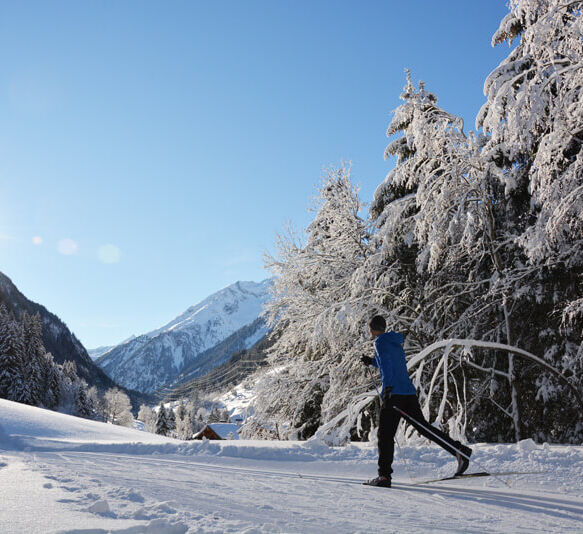
Winter magic Ginzling
The mountain village, where cross-country skiing, hiking and tobogganing turn into a fabulous outdoor experience.
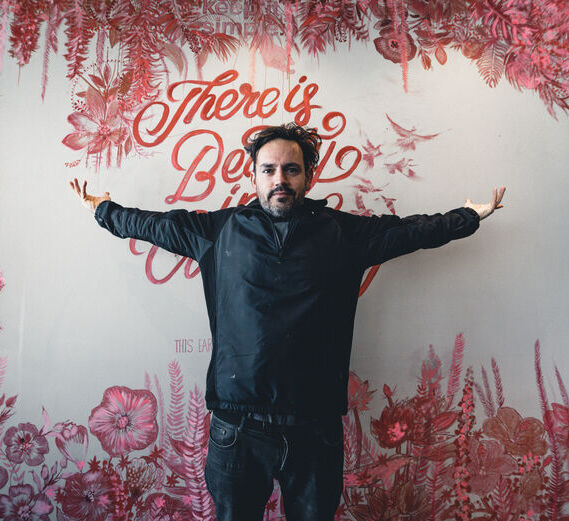
Dreamer and Rebel
From Barcelona to Berlin into Zillertal. The painter Anton Unai followed
the artistic call that came from the mountains and continues to live his
vision of poetry, provocation and a better world here.
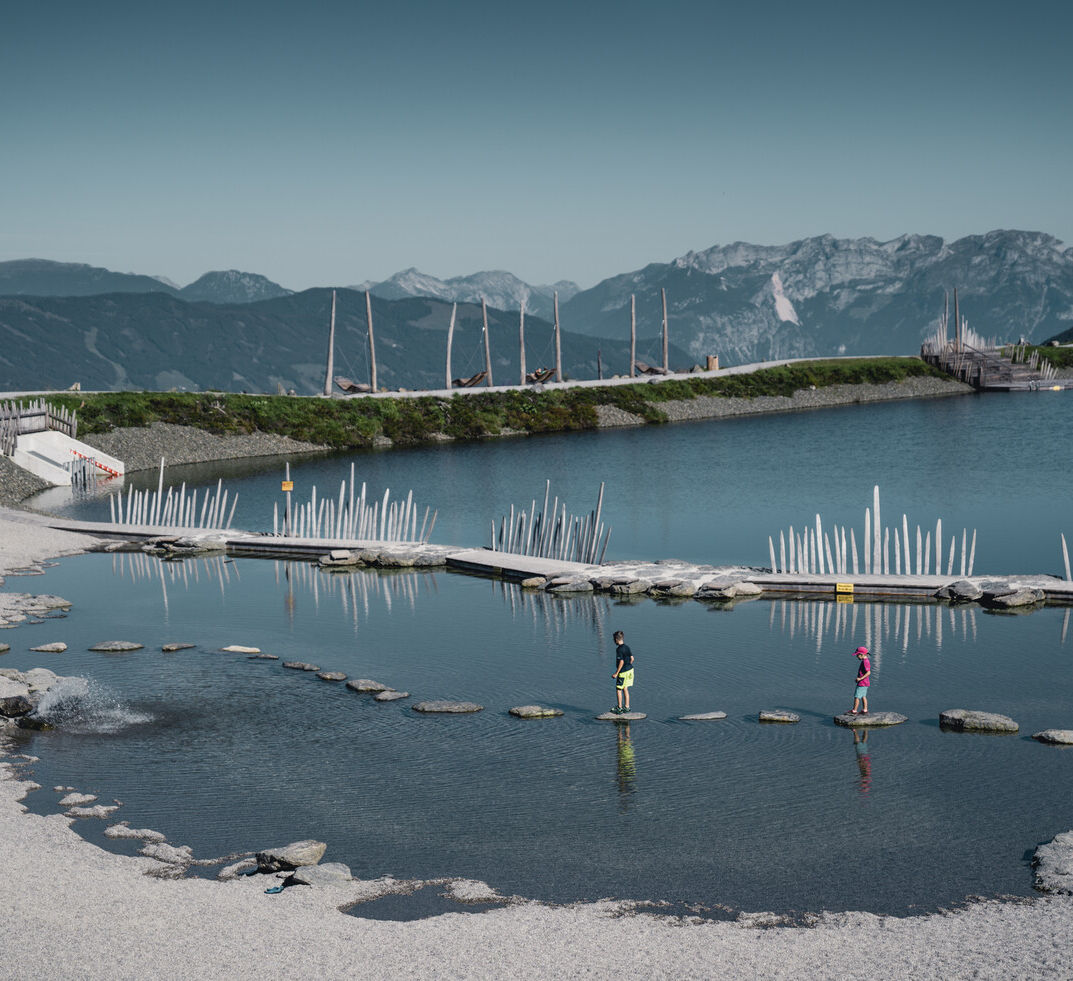
Swimming bliss on the mountain
Where the water is as clear as the mountain air. Where there’s a soundtrack
of waves and children’s laughter. Where the mountain calls and we
answer with a daring dive. Welcome to the magnificent lake Fichtensee!
Zillertal
Welcome to Zillertal! Where sun, snow and well-being become the meaning of life and where great freedom tempts you to let go.
Zillertal Newsletter
Our newsletter provides you with great information about the Zillertal. Get the best seasonal tips, information from the ski resorts and about the summer mountain railways and much more.
Hosts in Zillertal
Find the right accommodation for your perfect winter holiday in Zillertal – from cosy private rooms to luxury five-star hotels.

Getting to Zillertal
Zillertal is located in the west of Austria and is the widest of the side valleys on the south side of the Inntal Valley. Get to Zillertal safely and comfortably.