Stories from the ski areas
The slopes are rife with stories
The curious, sometimes funny names of the slopes and lifts are bound to not escape the attention of vigilant skiers. They make us smile and sometimes wonder.

A total of 546 kilometres of pistes in the Zillertal ski resorts get winter sports fans’ pulses racing. The slopes are divided into the difficulty levels blue (easy), red (moderately difficult) and black (difficult). Most of the slopes are named and numbered very pragmatically. Anyone who has ever listened attentively to their neighbours on the chairlift or in the cable car is familiar with these kinds of or similar conversations: “First we’ll do the red number seven, later we’ll meet at the intersection of the blue number five and the black number eight.”
But every now and then it’s worth listening more carefully, because there are some interesting and amusing stories behind several unusual slope names. Sometimes the names stem from the Zillertal dialect and old field names. Other names are more of an indication of the upcoming test of courage or technical challenge. On the following
pages we set out on a quest to find what is hiding behind those names!
“From the treasure trove:
field names, stories and
dialect.”
At the Wilde Krimml and in Teufetal
We are in the middle of the Zillertal Arena. The ski area’s size and variety are really a marvel to behold. “Isn’t this beautiful?”, the man opposite seems to be able to read my mind. We’re sitting in the new “Wilde Krimml” 10-person gondola, which is taking us from Zell am Ziller to Gerlos in comfort. He accepts the nod of my head and bright eyes as agreement and continues: “The mountain pastures up here are among the oldest in Tyrol. Innerertens – that’s what they’re called and they got their name from the Celts a long time ago.” I’m curious to learn more as I have someone sitting next to me who is bound to know why this gondola lift is called Wilde Krimml. “That’s easy to answer. Down there is Krummbachtal valley, which literally translates to “crooked stream valley”. Krimml means pretty much the same as Krumm, crooked, and because the stream is so wild and
crooked as it winds its way out of the valley, it ended up with the name: Wilde Krimml,” explains the friendly man. By the way, his name is David Kammerlander and he has been working for the Zillertal Arena for more than 30 years.
As we continue to chat, he tells another exciting fact: “The Wilde Krimml continues into Teufeltal, meaning “devil’s valley”, with its inaccessible, rugged and winding gorge. Only the devil can live in such a place – or so the locals say. In any case, at the end of the valley is the new Teufeltalbahn, an 8-person chairlift with weather covers and heated seats, completing the modern link from Zell to Gerlos in first-class style.


In the name of the winner
The Hochzillertal-Kaltenbach ski resort is widely known for its sophisticated, culinary options. But there is a second celebrity in the region, to whom an entire slope has been dedicated – the snow-covered run down to the valley in Kaltenbach. You probably already know who we’re talking about: a very talented skier whose willpower led to extraordinary success. We’re talking about none other than the Olympic champion, triple world champion, double overall World Cup winner and gold medallist of 29 World Cup races – Stephan Eberharter.
The famous alpine skier grew up in Stumm and became a big name in the Hochzillertal ski resort. Even though he hasn’t skied in a World Cup race for a long time, he can still be spotted, with a bit of luck, carving down the eight-kilometre-long Stephan Eberharter Gold slope.
Take the plunge
Admittedly, you need a bit of courage as well as skill if you want to whizz down the black slopes. And so the slope name “Obitraudi” encouragingly stands for the sporty, challenging run number four in the Hochfügen ski resort. Now you might be wondering what “Obitraudi” actually means? Well, it stands for that renowned first impression when you’re standing at the start of a black slope. When you quickly realise that you have to dare and take the plunge. In the Zillertal dialect, you would say “obi trauen”. “Obi trau di” means something like “take the plunge”. You will be rewarded with the fantastic view of the snowy Zillertal Alps in any case.
Black action on mount Penken
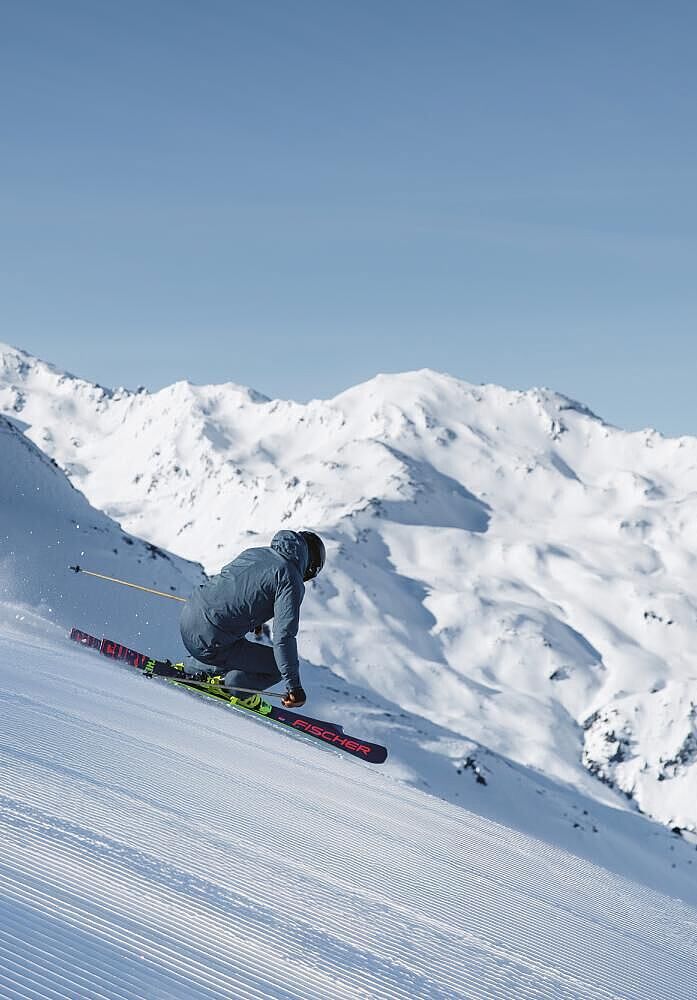
A proper adrenaline rush is also guaranteed in the Mayrhofen ski resort, where a number of black slopes demand expert skiing skills. First and foremost and hard for anyone to miss – the legendary Harakiri run. With a 78 per cent gradient, it is the steepest slope experience in Austria and is considered the ultimate test of courage, which should of course go hand in hand with the necessary talent. Because otherwise you might shoot downhill faster than intended.
It is therefore recommended to warm up on the two other black slopes in the ski resort, or use them to assess your ability, as they are slightly less steep than the Harakiri slope, but are still not to be underestimated. As for the Harakiri run, so here does the name say it all.
The BlackAttack, also known as black run number 16, by the Möslbahn cable car is pretty fast. As a special highlight, you can analyse your own turns by video along the SkiMovie run and measure your time from start to finish. You can challenge yourself to attack and beat your personal record again and again. Devil’s Run, ski slope number 12, runs under the Schneekar lift and is demanding on the hamstrings and concentration. The steep slope is like a ride with the devil. Anyone who manages this, is ready for the Harakiri.


Haxenbrecher
For many people, skiing is synonymous with joy and unwinding. This is especially true when freeriding fun can really be enjoyed to the full in perfect ease. A real insider tip is ski route 13a on the Hintertux Glacier, which goes up to 3,250 metres. A fact that more or less provides guarantee of snow. Whether it’s in November or April – freeriders enjoy half a year of powder snow, firn and snow crust. In warmer temperatures, the snow can sometimes turn slushy. When that happens, those practicing winter sports out there must be careful, as you can break your legs in difficult snow. Hence the appropriate name for ski route 13a: Haxenbrecher, or leg breaker for English speakers.
Of cats, lambs and rabbits
Before your image of the slopes and their names becomes too spectacular, let’s come back down to earth, because most names are inspired by their location, i.e. the alpine pastures and field names. Nevertheless, these names also sometimes sound funny. And so chroniclers, foresters and farmers tell tales about the origin of the names Katzenmoos, Lämmerbichl and Hasenmulde in the Eggalm, Rastkogel and Finkenberg ski areas. “Subject to interpretation, though,” they say, because only their fore-fore-forebearers know the real reasons for the names: “The area where the Katzenmoos (cats’ moss) lift runs is very mossy. Because of the moisture, many mice are easy prey for the cats there. The Lämmerbichl (lambs’ hill) are where the farmers’ sheep go during the summer months. The high concentration of wild hares sighted gave the Hasenmulde (hares’ hollow) its name.”


Image: Tom Klocker, Malin, Max Draeger, and Text: Barbara Schneeberger
Zillertal Magazine Year-Round Edition 02
Even more stories from the Zillertal

Holiday with momentum
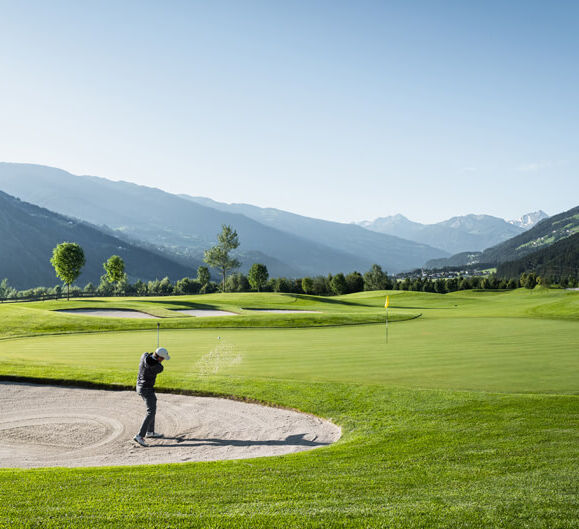
Fine fairway carpets, top bunkers, well-kept greens –
and all of this embedded in the magnificent nature of the Zillertal.
At the Golf Club in Uderns, every swing is an experience.
Second Home Zillertal
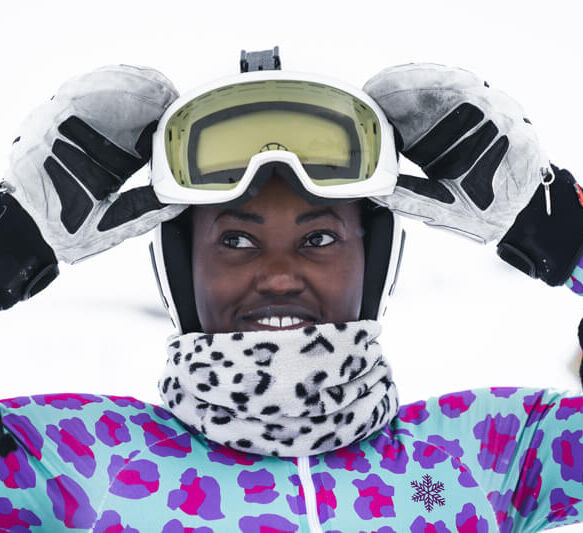
Born in Kenya, raised in Austria, on her way to the top of the world in the snows of Hintertux. The story from Sabrina Simader's heart.
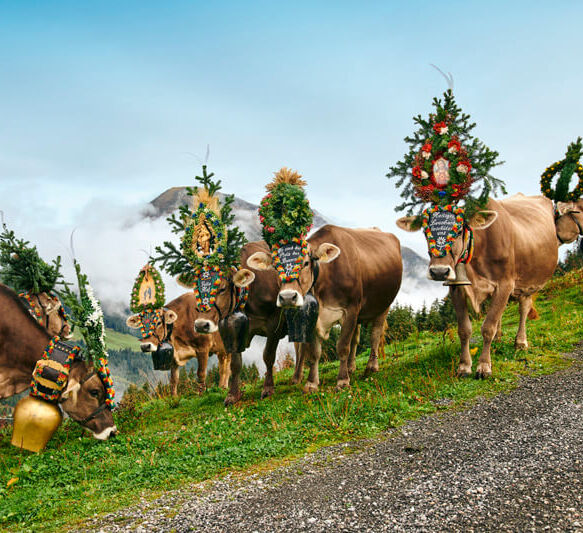
An attractive homecoming
When the nights start to get longer and the days shorter, it’s the end of the summer for the cattle on the remote pastures. The return of the cattle to their home stables is marked with an impressive celebration in Zillertal.
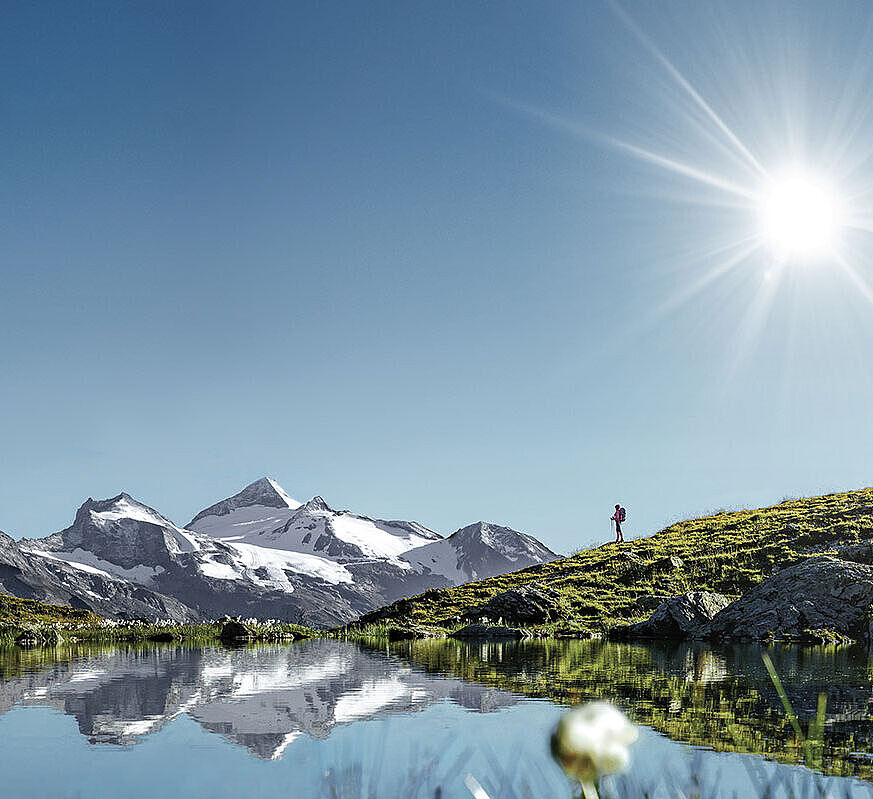
Zillertal
Welcome to Zillertal! Where sun, snow and well-being become the meaning of life and where great freedom tempts you to let go.
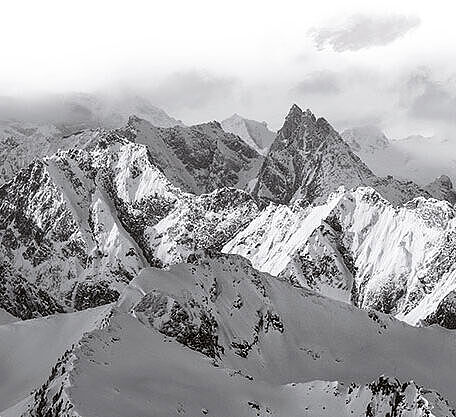
Zillertal Newsletter
Our newsletter provides you with great information about the Zillertal. Get the best seasonal tips, information from the ski resorts and about the summer mountain railways and much more.
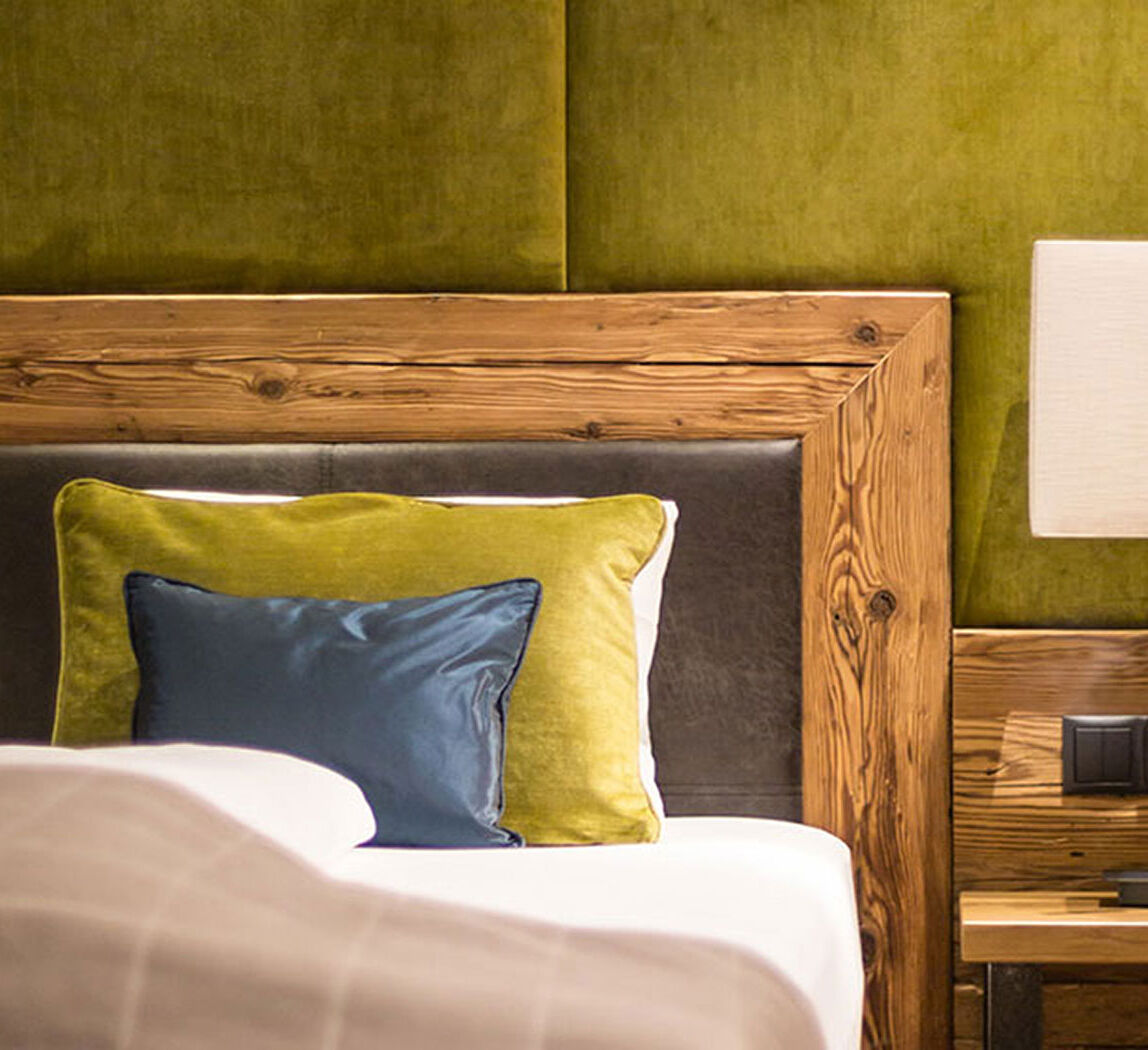
Hosts in Zillertal
Find the right accommodation for your perfect winter holiday in Zillertal – from cosy private rooms to luxury five-star hotels.
Getting to Zillertal
Zillertal is located in the west of Austria and is the widest of the side valleys on the south side of the Inntal Valley. Get to Zillertal safely and comfortably.